


Posted by tankeradmin
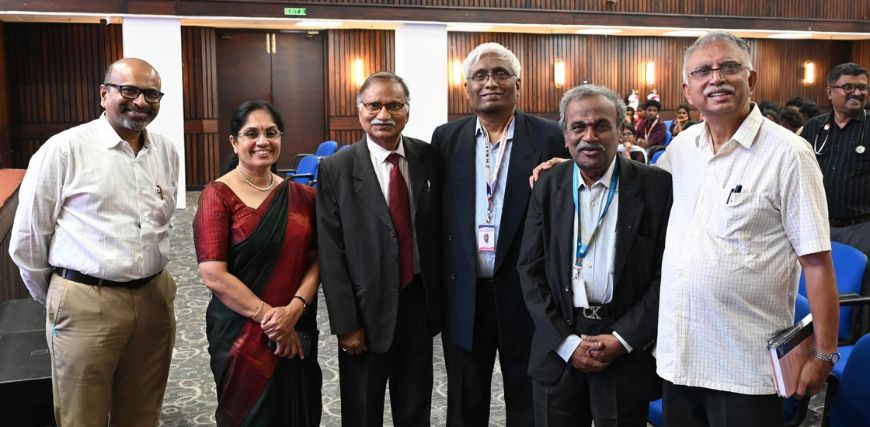
On the occasion of World Kidney Day, TANKER Foundation along with The Madras Medical Mission (MMM) Hospital organised the DG Oreopoulos Peritonitis Workshop on March 12, 2026.
The workshop brought together leading experts in nephrology and microbiology to discuss the latest advances in the diagnosis and management of peritonitis.
This year’s World Kidney Day theme – ‘Kidney Health for All: Caring for People, Protecting the Planet’ — emphasises the need for equitable access to kidney care and sustainable healthcare practices.
The workshop was the brainchild of Dr. Georgi Abraham, Founder Trustee – TANKER Foundation and Advisor, Department of Nephrology at MMM Hospital.
The program was inaugurated by Dr. Sampath Kumar K., President of the Peritoneal Dialysis Society of India (PDSI), and Guest of Honour, Prof. Dr. P. Soundararajan, Emeritus Professor of Nephrology, Saveetha Medical College, and Senior Consultant – Apollo Hospitals, Chennai.
The workshop highlighted recent advances in the diagnosis and treatment of peritonitis, a serious complication associated with peritoneal dialysis. Sessions also focused on new microbiological diagnostic techniques, prevention strategies, patient retraining after peritonitis, and improved clinical practices in government and private healthcare settings.
The scientific program featured renowned nephrologists and microbiologists from various parts of India, including experts from institutions such as CMC Vellore, JIPMER, SRMC, Apollo Hospitals, SVIMS Tirupati and Meenakshi Mission Hospital, among others.
Topics covered ranged from peritoneal dialysis catheter implantation, diagnostic approaches, infection management, exit-site infection prevention and the role of solution biocompatibility in peritonitis.
The event also included panel discussions on challenging clinical cases, laboratory demonstrations on peritoneal dialysis fluid processing and an interactive quiz session, making it a comprehensive academic platform for knowledge-sharing.
This conference aligned with WKD’s goals. PD has no travel emissions: Patients commute less on PD, reducing their carbon footprint. CAPD has lower energy use: The manual process avoids electricity for machines, unlike APD. Consumables efficiency: Although plastics contribute most overall, CAPD uses less PVC and optimised bags.
The event reaffirmed TANKER’s commitment to advancing kidney care, promoting research and education, and improving patient outcomes through collaboration and innovation.